

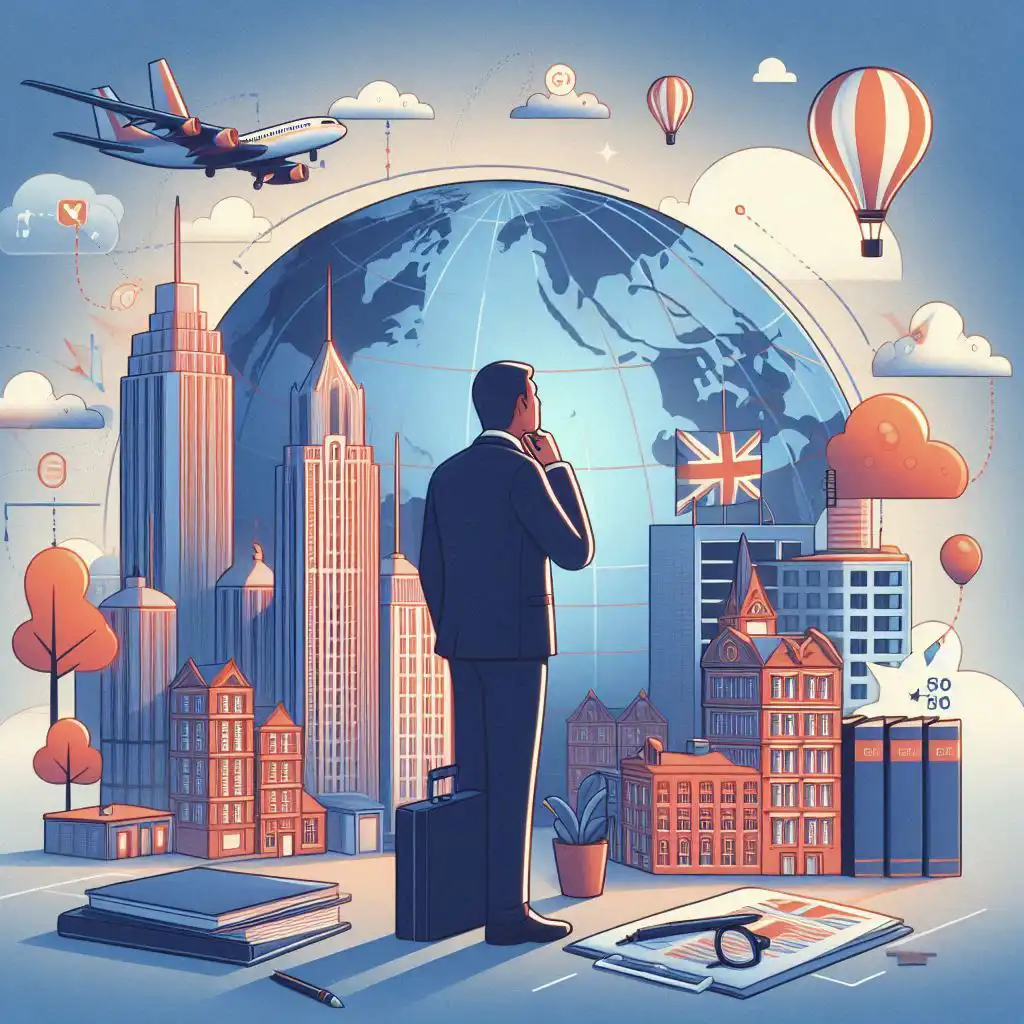
As we traverse the globe, the charm of cultures beyond the UK becomes increasingly apparent. Each country carries with it a treasure trove of traditions, languages, and histories that are vibrant and dynamic. From the spicy street food of Thailand to the rhythmic beats of Brazil’s carnival, exploring Non UK cultures invites us to broaden our perspectives and embrace the diversity of human experience.
The Allure of Diversity
One of the most fascinating aspects of traveling to non-UK countries is the incredible diversity we encounter. Each region has its own narrative shaped by centuries of history, migration, and interaction with neighboring cultures. Countries in Africa boast a variety of languages and traditions, while nations in Asia offer a cornucopia of beliefs and practices that are both ancient and contemporary.
Food – A Culinary Adventure
When we think of culture, food is often the first thing that comes to mind. Visiting a new country is as much about tasting local cuisine as it is about experiencing its heritage. In Mexico, for example, the art of making tortillas has been passed down through generations, reflecting the nation’s indigenous roots. In Japan, the meticulous preparation of sushi tells a story of respect towards seasonal ingredients and a deep-seated connection with nature.
Street food, in particular, is a fantastic way to immerse oneself in the local culture. Vendors offer a smorgasbord of flavors at affordable prices. Whether you’re enjoying a savory pho in Vietnam, sampling spicy kebabs in Turkey, or indulging in croissants in France, food is a window into the soul of a country.
Art and Expression
Art in its many forms serves as a powerful medium for expressing cultural identity. Non-UK regions boast unique artistic traditions, ranging from the intricate pottery of Morocco to the stunning lithographs of South America. Street art often emerges as a voice for the marginalized, encapsulating social movements and community aspirations.
Pablo Picasso famously said, “Every act of creation is first an act of destruction.” In many non-UK cultures, the creation of art often involves a reconceptualization of historical narratives, combining traditional techniques with modern issues. This blend fosters a dialogue between the past and the present, inviting us to rethink our understanding of cultural continuity.
Music and Dance – The Rhythm of Life
Music and dance serve as universal languages, transcending geographic boundaries. The rhythmic beats of African drums resonate with spirituality and storytelling, while the vibrant colors of a Bollywood dance number celebrate love and affection. In Brazil, samba and bossa nova encapsulate the festive spirit of their communities, while the melancholy sounds of the Irish fiddle evoke a deep sense of nostalgia.
Experiencing live music or local dance forms allows travelers to connect with people on a visceral level. Festivals around the world, such as La Tomatina in Spain or Holi in India, offer immersive experiences where locals and visitors come together in a shared spirit of joy and celebration.
Festivals and Traditions
Festivals act as a window into the cultural soul of a nation. They highlight values, beliefs, and historical events that shape the collective identity of a community. Non-UK countries celebrate a plethora of festivals—each rich in symbolism and significance. The Diwali festival in India, for instance, marks the triumph of light over darkness, while the Mid-Autumn Festival in China emphasizes family reunion and gratitude.
Participating in local festivals provides an opportunity to witness authentic expressions of culture and tradition. These events often include traditional attire, music, food, and rituals, offering visitors a multidimensional understanding of the local way of life.
Language – The Essence of Culture
Language is arguably one of the most powerful carriers of culture. The nuances of a language—its idioms, phrases, and tones—reflect the history and identity of its speakers. For instance, many indigenous languages carry with them knowledge about local flora and fauna, underscoring the intimate relationship between a culture and its environment.
Learning a few phrases of the local language can significantly enrich your travel experience. Engaging in conversations with locals not only helps bridge cultural gaps but also fosters mutual respect and understanding. In today’s globalized world, language remains an essential tool for connecting with people across borders.
Conclusion – Embracing the Global Community
As we explore non-UK cultures, we are reminded of the richness that our world has to offer. Each journey serves as a personal awakening, challenging preconceived notions and inspiring a vision of a more harmonious global community. By stepping beyond our comfort zones and engaging with different cultures, we not only enrich our own lives but also contribute to a world that values diversity and celebrates unity. So let us continue to explore, appreciate, and cherish the cultural tapestries that make our planet so beautifully unique.
In conclusion, the adventure of discovering non-UK cultures is not merely about travel; it is a rewarding journey of the mind and spirit, offering profound insights into the myriad ways humans create meaning. May we embrace this journey and carry it with us as we step into an increasingly interconnected world.